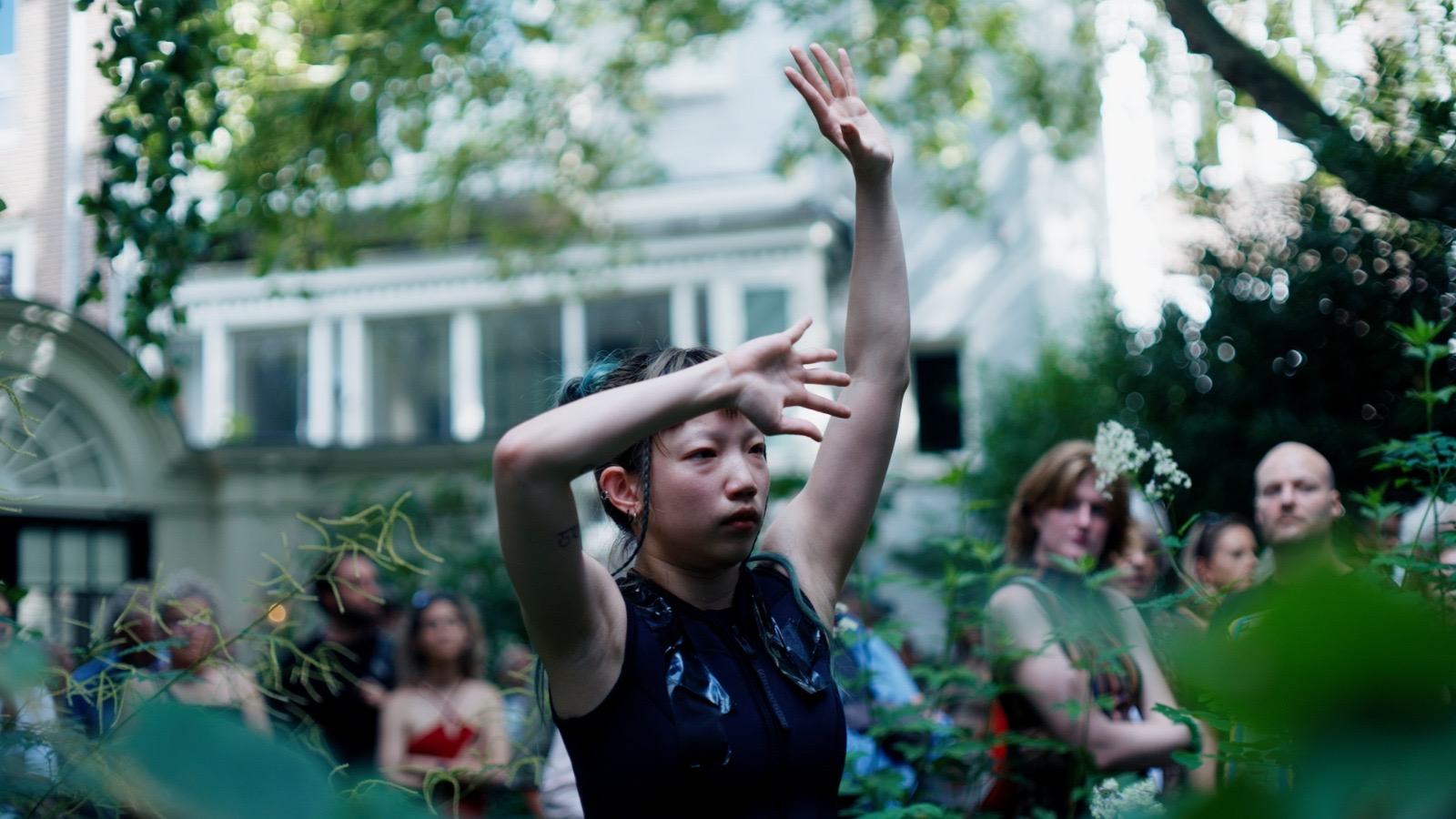
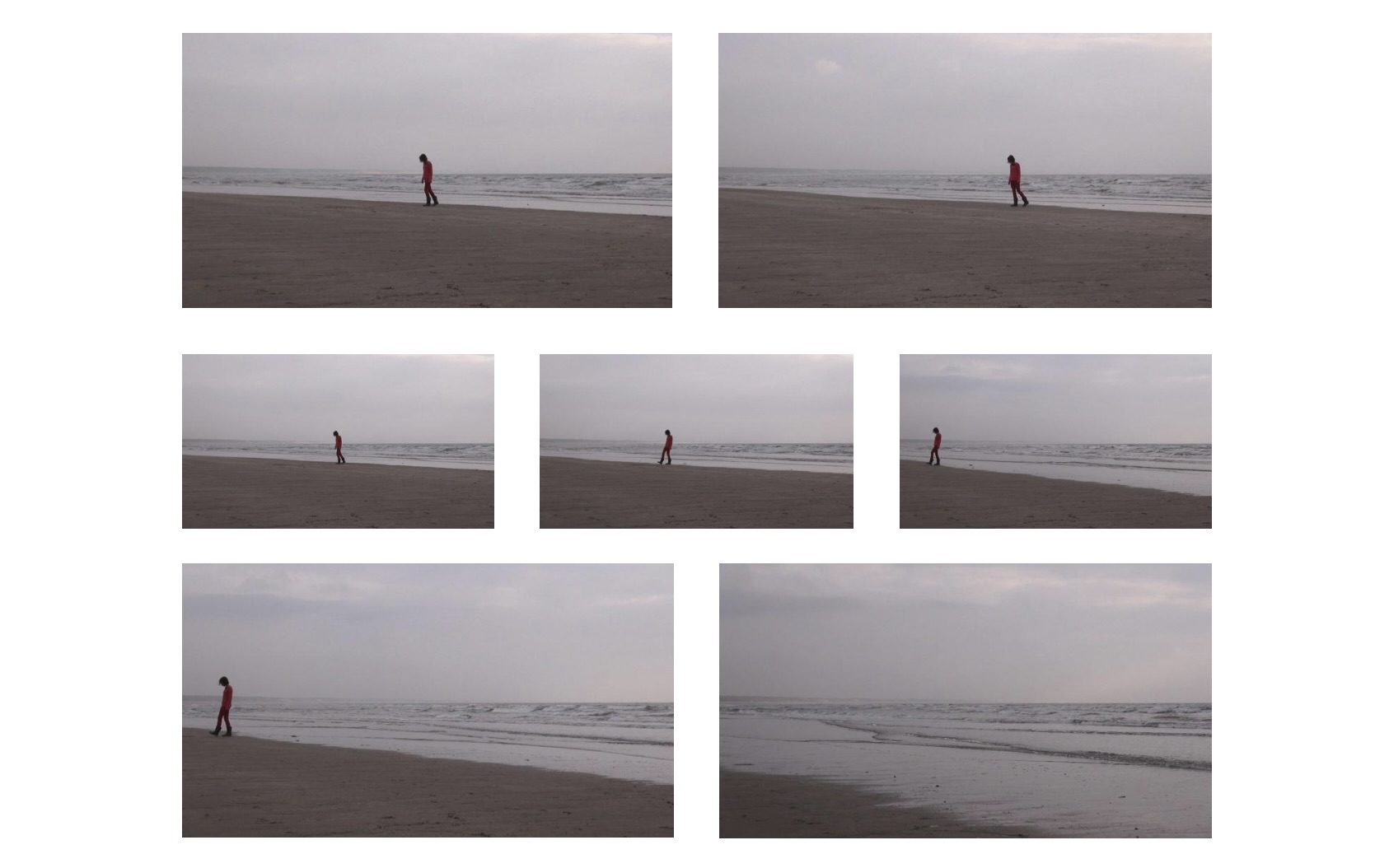
There is a moment in Clarinde's recent choreographic installation when almost nothing appears to happen.
Birdsong.
A distant passing car.
The slow shift of someone's weight.
Leaves responding to air invisible to everyone watching.
For several minutes, the audience waits for the performance to begin before slowly realizing with something close to embarrassment that it already has.
This reversal has become one of the defining gestures of Clarinde's practice. Rather than asking how bodies move through space, she asks what space is already doing to bodies. Choreography, in her work, is not an arrangement imposed upon movement but an ecology of relations that exists long before dancers enter a room.
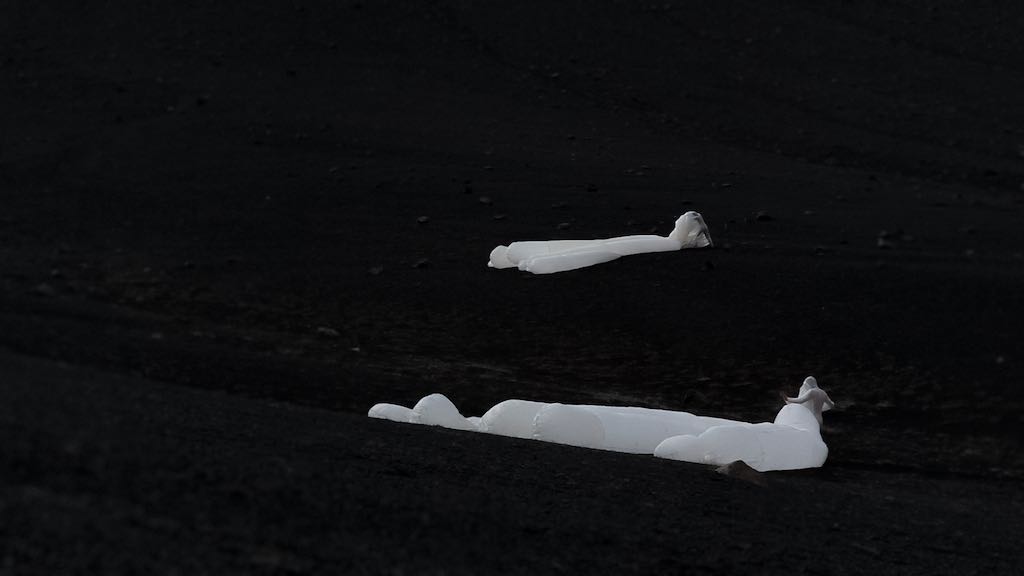
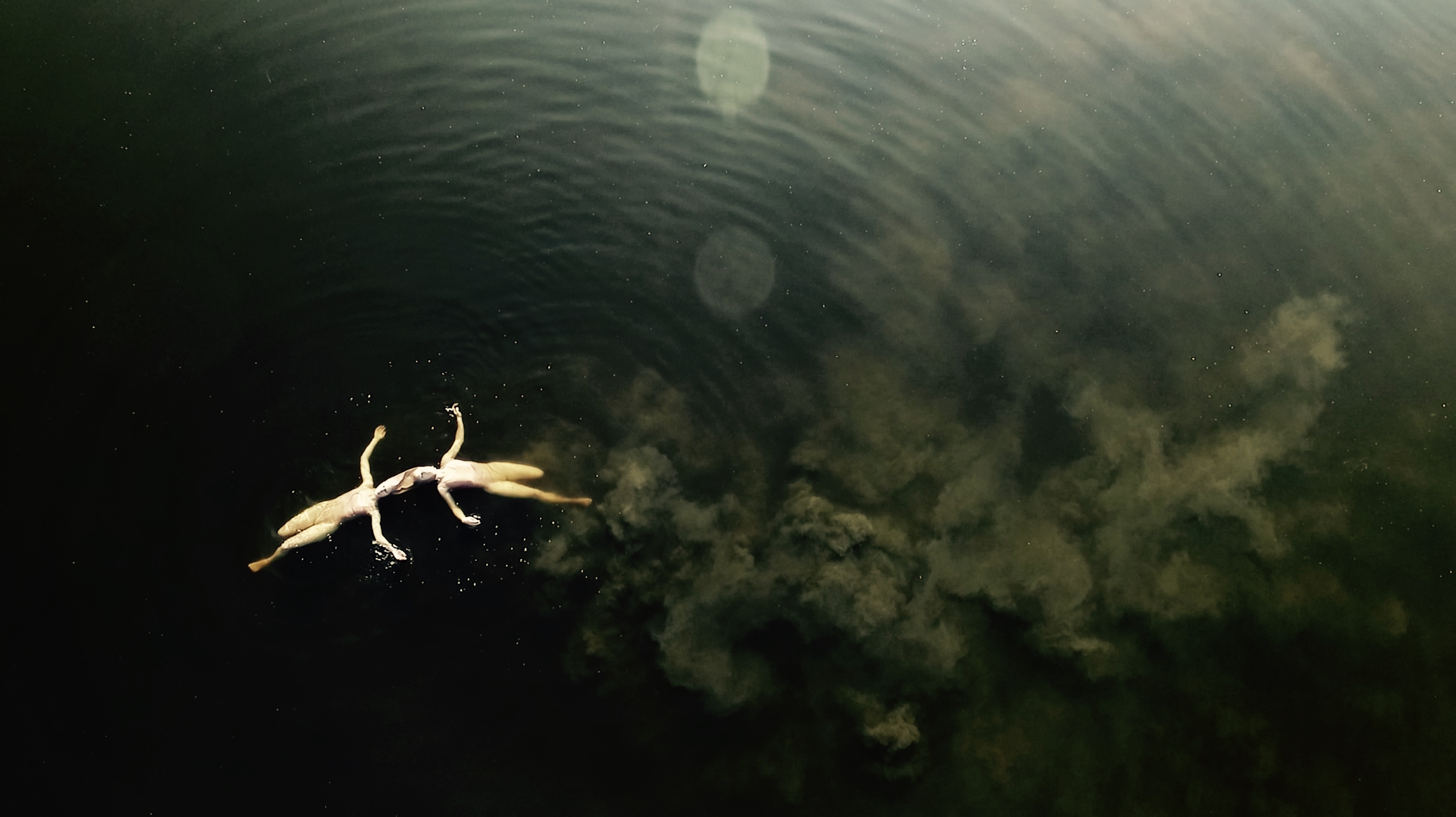
Over the past years, she has built a practice. Beginning with performances investigating intimacy during the pandemic, continuing through collaborations with ants, forests, rivers, gardens, neuroscientists, sound composers and ecologists, her work has gradually dissolved the distinction between performer and environment.
The result is a body of work that no longer treats nature as scenery or metaphor. The world itself becomes the choreographer.
With a body attuned to the unpredictability of external forces, Clarinde’s work beckons us to dismantle the dominance of control and embrace a world where connection is a constant presence.
cmcwesselink@gmail.com
newsletter (Substack)
Texts:
→ Being as Knowing by Susan Leigh Foster, 2025
→ Rooted, Dr. Nathanja van den Heuvel, 2023
→ The Reason I Move, Peter Manson, 2022
→ De Groene Amsterdammer, Column, 2022